

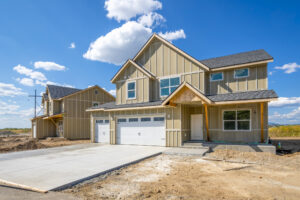
 Investing in single-family rental properties can offer a clean starting point for landlords, while also introducing costs that differ from buying an older home. The starting price of new construction can be higher, yet the property may offer benefits such as more customization options, improved energy efficiency, and reduced maintenance needs during the first years of ownership. Those strengths can be balanced by costly add-ons and a narrower range for price negotiation. To make a disciplined acquisition, review the pros and cons carefully to maximize your return on investment.
Why Consider New Construction for Your Rental Portfolio?
Purchasing new construction as a rental property can offer a direct path from acquisition to leasing when the home is completed and ready for occupancy. Current finishes and recently installed systems can make the home more straightforward to advertise and show. If the owner avoids a separate modernization budget, out-of-pocket expenses are typically minimal as the property is prepared for its initial lease.
New construction can reduce the delay between purchase and marketing when the home arrives ready for normal occupancy. Owners can use available selections to support tenant demand, especially through smart home features. For renters who prioritize control and security, smart thermostats and security systems can support a competitive leasing position, especially where newer amenities influence tenant choice.
Top Benefits of Energy-Efficient, Smart Homes for Renters
A brand-new home can create a strong first impression because prospective renters are not inheriting wear from previous occupants. Attracting quality tenants is key to rental success. Today’s construction practices can reduce avoidable energy loss and support lower utility bills and greater environmental sustainability. Updated appliances, windows, and HVAC equipment can add convenience while supporting long-term tenant satisfaction.
For investors focused on newer inventory, those features can make new construction an appealing choice for rental property investors. Investors still need to scrutinize build quality, since shortcuts in materials or installation can create later problems.
Poor execution can create a frustrating post-closing process, especially when responsibility for repairs is disputed or delayed. Premium options may improve the property, but they can also make it harder for the numbers to support the acquisition.
Is New Construction the Right Investment for You in Today’s Market?
If the plan requires a large spread between asking price and purchase price, new construction can be challenging. Because builder pricing reflects project costs and neighborhood positioning, the negotiating range may be narrower than with an individual seller.
A large price cut can weaken nearby comps and become a reference point for future negotiations, making builders cautious about direct discounts. When price reductions are limited, buyers should look at the full package, and it is wise to inquire about current incentives, closing cost assistance, or upgrades that may be available.
Before purchasing a new home as a rental property, weigh the pros and cons carefully. Compare the local rental market, projected tenant demand, and assess the fit between the home’s features and the renter profile most likely to lease it. If market evidence supports the purchase, new construction can deliver strong long-term returns.
Good underwriting depends on more than the property itself; investors also need a clear view of local rental conditions. For a property under consideration in Lexington, Real Property Management Commonwealth can help owners assess the local rental environment. We perform market assessments for all potential rental properties, ensuring owners who partner with us have the tools and information they need to make the best investment decisions. For additional details, contact us online.
This content is provided for general informational and educational purposes only and does not constitute financial, legal, tax, or investment advice. Readers should consult with licensed professionals regarding their specific circumstances.
We are pledged to the letter and spirit of U.S. policy for the achievement of equal housing opportunity throughout the Nation. See Equal Housing Opportunity Statement for more information.
